Showing posts with label audi. Show all posts
Showing posts with label audi. Show all posts
Sunday, February 15, 2015
2015 Audi A3 Sedan
Audi of America, Inc. officially announced plans today for the arrival of the all-new 2015 Audi A3 sedan. Coming to showrooms in the first quarter of 2014, the Audi A3 sedan will bring to the A segment new innovative technologies and the detailed craftsmanship found in larger flagship Audi sedans. The A3 sedan offers versatile powertrains for a wide variety of entry-luxury customer tastes including a 1.8 TFSI®, 2.0 TFSI®, 2.0 TDI® clean diesel and the high performance S3 with a high-output 2.0 TFSI®.
Audi of America also confirmed today that it will be adding to the all-new A3 family by offering the A3 Sportback with a plug-in gasoline electric hybrid (PHEV) model in the U.S. market. Audi recently revealed the A3 Sportback e-tron at the 2013 Geneva Motor Show. This vehicle demonstrates the production intent of e-tron using plug in hybrid technology, a practical first step towards electrified driving which mitigates the range anxiety concerns associated with most full battery electric vehicles. The e-tron® name denotes any Audi electric vehicle with plug-in capabilities. The A3 e-tron shown in Geneva displayed a power train with a combined 204 hp and 258 lb-ft torque.
“The Audi A3 will set the new benchmark among entry-level luxury sedans,” said Scott Keogh, President, Audi of America. “This A3 line-up redefines the standards of its class in dynamics, efficiency, technology, craftsmanship and performance.”
With the first generation A3, Audi established a whole new market segment – the premium Sportback compact class vehicle. Its quality, equipment, dynamic capabilities and value were adopted from larger Audi vehicles with an extra measure of sportiness and utility inherent in the 5 door Sportback bodystyle. The third generation Audi A3 continues this tradition combined with the first production Audi e-tron vehicle.
Technology
The Audi A3 sedan breaks the boundaries and raises the bar as to what is expected out of entry-level luxury sedans. The A3 marks the first time that an A-segment vehicle will offer MMI® technology, Audi drive select, 4G LTE connectivity and Bang & Olufsen® audio.
Even the base model of the all-new premium Audi A3 comes equipped with standard features that include leather upholstery, Bluetooth® technology, rain sensing wipers, Audi pre sense basic and a panoramic glass sunroof.
In addition to the standard technologies, the Audi A3 sedan will feature new, segment first technologies. One key example is the implementation of the new NVIDIA graphics processing unit (GPU). The NVIDIA GPU generates complex three-dimensional images used in all online, voice control, media navigation and telephone functions. Fundamentally, the Tegra® graphics processor powers tablets and other mobile devices and is also used in 3D gaming and various medical applications. Another industry first includes the Audi phone box. The Audi phone box is a compartment located under the center armrest that boosts a mobile phone’s cellular coverage by wirelessly coupling to a specialized antenna in the rear windshield.
Performance
The A3 sedan has been further enhanced thanks to numerous engineering improvements under the hood. The A3 model line offers four different engine variants including the 170 horsepower 1.8 TFSI, and 150 horsepower 2.0 TDI clean diesel, and a low and high-output 2.0 TFSI used in the A3 quattro and S3 quattro respectively. Horsepower figures for the 2.0 TFSI engines will be available closer to launch. All engines are mated to the standard 6-speed S tronic® transmission which provides the driver immense shifting flexibility and driving pleasure with smooth, dynamic acceleration and virtually no interruption to the power flow.
New to the A3, the Audi drive select allows the driver to adjust throttle response, shift points, and the electromechanical steering effort. Similar to other Audi models, Audi drive select has four settings that include Auto, Dynamic, Comfort and Individual.
Chassis
The new platform allows the front wheels to move forward by roughly 1.5 inches (compared to the previous generation A3) to provide well-balanced proportions, supplemented by optimized interior space utilization, and an improved crash structure.
The front suspension is a MacPherson design with A-arms and aluminum pivot bearings. It is joined to an aluminum subframe. The electromechanically assisted steering system operates sensitively and efficiently together with various assistance systems, while reducing mechanical drag for greater efficiency. In the four-link rear suspension for the gasoline models, which utilizes a steel crossmember, the springs and shock absorbers are mounted separately.
The electronic stabilization control (ESC) also includes an electronic differential lock. When driving through curves, it can brake the inside front wheel very slightly to help minimize understeer and improve traction.
Exterior
The exterior has been completely redesigned and specifically tailored to meet the sedan preferences of the American market. The Audi A3 stretches 175.5 inches in length and has a 103.4 inch wheelbase. Combined with its 70 inch width and 55.7 inch height, its proportions are compact but very sporty and nearly resemble the original Audi A4 from 1994.
The signature Singleframe® grille and available full-LED headlights, another first for the A-segment, are some of the notable design changes included in the all-new Audi A3 sedan.
Interior
The athletic exterior of the A3 extends inside, where Audi maintains its leading role in automotive interior design and craftsmanship. The defining element is the “wraparound” dash design, which incorporates an innovative three-dimensional inlay concept surrounding the driver and front passenger. The available LED interior lighting package highlights the immense craftsmanship and attention to detail that goes into every Audi A3 interior. This is accomplished by bathing the interior in a cool white LED light surrounding the center console, door panels, cupholders, and even the Bang & Olufsen Sound System when so equipped.
The A3 delivers the same prestige and high-quality materials found in Audi’s flagship sedan, the A8 with standard leather seating surfaces and exceptional ergonomics. The MMI operating system has an electronically extending screen, its terminal housed in the console of the center dashboard. It features a 7-inch high resolution display screen with magnesium backing that is less than ½ inch thick. To further enhance the driving experience, the new MMI controls are conveniently positioned behind the gear shift. They now offer the first touch pad incorporated into the rotary MMI control wheel, which offers an intuitively and simple operation typical of the brand with the four rings. Now with the optional 705 watt 14-speaker Bang & Olufsen Sound System, all occupants in the A3 can enjoy the best in acoustics.
Driver Assistance
The Audi A3 now offers several advanced technology features which are new to the entry luxury segment, including the standard Audi pre sense basic system which helps detect when an emergency maneuver is being made and prepares the vehicle and its occupant restraint systems in advance of a possible collision. The Audi A3 also offers an optional driver assistance package, which includes Audi side assist, and adaptive cruise control with stop and go.
Audi connect®
The modular infotainment platform in the Audi A3 also brings several upgrades to the industry leading Audi connect® service. Audi’s connected vehicle strategy targets features and services that enhance the driving experience for Audi drivers and their passengers by providing the benefits of access to information and content, when needed, through interfaces designed for the in-vehicle environment. Already, Audi is a leader with integrated high-speed mobile broadband in the vehicle. Now with 4G/LTE technology in the Audi A3, customers will be able to connect with a network capable of supporting data rates of up to 150 Mbit/s downstream and considerably faster response times. Using the existing Wi-Fi connectivity for up to 8 devices, passengers can now view high-definition videos and make video conference calls from the vehicle. Adding to the existing Google Earth™ 3D satellite imagery and intelligent POI search with Google Voice™ Local Search, the Audi A3 introduces a new Picture Navigation service. Here the driver can save photos of destinations, which are linked to geo-navigation data (GPS), in the “photo box” of MMI Navigation plus. These may be the driver’s own photos or scenes from Google Maps Street View. Photos can be imported via an SD card or a myAudi account. A new app integration interface over Wi-Fi for music streaming and other connected device apps, voice-controlled social media features, and a completely redesigned user MMI interface allows drivers and passengers to continue to enjoy a connected lifestyle while in the vehicle without handling devices.
(Audi USA Press Release)

Friday, February 13, 2015
2014 Audi Q7
The seven-passenger Audi Q7 continues its strength in the competitive mid-size luxury SUV market with enhancements for the 2014 Model Year. Powerful, progressive design and functional spaciousness continue to differentiate the Audi Q7.
Performance
For the 2014 Model Year, Q7 drivers will once again have the option of two gasoline supercharged V6 engine variants, or the fuel-efficient yet powerful V6 turbocharged direct injection TDI® clean diesel engine. Each comes equipped with an eight-speed Tiptronic® transmission that not only produces a sporty and smooth ride, but also improves fuel economy, responsiveness and overall driving comfort. The legendary Audi quattro® all-wheel drive for superior traction and handling is standard on all models.
The 3.0 liter TDI clean diesel engine, revised for the 2013 Model Year, delivers an impressive 406 lb-ft of torque and generates 240 hp. Achieving 28 mpg in highway driving, the Q7 TDI produces 20 percent fewer CO2 emissions than a comparable gasoline engine and meets or exceeds 50 state emissions requirements The 3.0 TFSI® engine produces either 280 hp or an increased horsepower of 333 for the higher output 3.0T S line.
The standard front double-wishbone independent steel spring suspension and available adaptive air suspension – an electronically controlled air suspension system at all four wheels with a continuously adaptive damping system – unite sporty handling with a high level of ride comfort. Additionally, the air suspension improves aerodynamics and allows for speed dependent lowering of the body, a change in ride height that results in a low center of gravity and significantly increased directional stability.
Exterior
For the 2014 Model Year, all Q7 models are now equipped with Xenon plus headlights and the unmistakable Audi LED daytime running lights, which add a distinct look and also improve visibility while using half of the energy of conventional bulbs. The Q7’s sophisticated curves, sweeping roofline and signature Audi Singleframe® grill in gloss or matte black add to the Q7s iconic and stunning design.
A new optional package featuring 19-inch wheels, full paint finish and chrome accent is offered for the 3.0T Premium and Premium plus models. A 20-inch package is also available for Premium plus models. The S line plus package gives the Q7 a more performance-oriented look with a gloss black grille, matte black window surround, black roofrails and 21 inch Titanium wheels.
The 2014 Audi Q7 is now available in Night black, Scuba metallic and Carrara White.
Interior
Inside, the Audi Q7 provides top-of-the-line luxury, passenger comfort and functionality. The Q7 features 12-way power front seats with four-way power lumbar adjustment and adjustable head restraints, and comfortably seats seven passengers. With its 72.5 cubic feet of cargo space when second and third row seats are folded, the Q7 offers ample storage room.
A three-panel Panorama sunroof, standard on the S line models, gives the Q7 a bright, open feeling, and an available four-zone climate control system allows custom-tailored comfort. The available 14-speaker Bang & Olufsen® Advanced Sound System provides the ultimate driving and listening experience.
The 2014 Q7 features a leather-wrapped steering wheel and an available tilt and telescopic electrically adjustable steering column (standard on Premium plus models).
Technology and driver assistance
The Audi Q7 offers the most advanced Audi technologies to assist the driver and enhance the overall driving experience.
A full complement of airbags keeps Q7 drivers and passengers protected, while Electronic Stability Control helps provide additional traction.
Premium plus models now include Audi advanced key, an electronic access and authorization system that allows the driver to keep the car key in his or her pocket when unlocking and starting the vehicle, while the Audi MMI® Navigation plus package on Premium model now includes front and rear parking sensors and a rear view camera.
Audi connect®
The award-winning infotainment system Audi connect® is optional on 2014 Audi Q7 models. Audi was the first global auto manufacturer to offer factory-fitted in-vehicle Wi-Fi connectivity for passenger use, enabling the Audi connect system to deliver connectivity to up to eight wireless devices. With Audi connect – offered complementary for six months and available for as little as $15 per month thereafter – the onboard Audi MMI Navigation system is enhanced with Google Earth™ maps for a true aerial view of the route. Audi connect also features real-time localized weather, news and live fuel prices; Google Voice™ Local Search for detailed information about travel destinations, such as restaurant or hotel hours, pricing and customer reviews; and the myAudi Destination feature, which allows users to log on to Google Earth from virtually any location in the U.S. and download up to 50 destinations to the vehicle. Audi also offers real-time Sirius XM® Traffic information via enhancements to the Audi MMI Navigation plus system (active Sirius XM® Traffic subscription required).
(Audi Press Release)
Monday, February 9, 2015
2014 Audi RS5 Cabriolet
- Audi extends its model series with a high-end convertible
- 4.2 FSI engine with 331 kW (450 hp), zero to 100 km/h (62.14 mph) in 4.9 seconds
- Elegant and spacious body with lightweight cloth soft top
Dynamic performance where the sky’s the limit – the new Audi RS 5 Cabriolet entices with a scintillating combination of power and elegance. The four-seat convertible, which is built in Neckarsulm by quattro GmbH, combines its distinctly sporty character with the exhilaration of open-top driving.
The high-revving V8 FSI develops 331 kW (450 hp) from its 4.2 liters of displacement, accelerating the Audi RS 5 Cabriolet from zero to 100 km/h (62.14 mph) in 4.9 seconds. The seven-speed S tronic and the quattro permanent all-wheel drive system reliably transmit power to the road. The chassis also boasts a wide array of high-tech solutions, ranging from carbon fiber brake discs to the sport suspension plus with Dynamic Ride Control (DRC). Sophisticated assistance and infotainment systems round out the offering.
The 4.2-liter FSI delivers 430 Nm (317.15 lb-ft) of torque to the crankshaft between 4,000 and 6,000 rpm. It produces 331 kW (450 hp) at 8,250 rpm. The long-stroke naturally aspirated engine develops 79.5 kW (108.1 hp) per liter displacement and special flaps in the exhaust tailpipe vary the sound. The convertible accelerates from a standstill to 100 km/h (62.14 mph) in 4.9 seconds – the best in its class. As an option, Audi can increase the top speed from 250 (155.34 mph) to 280 km/h (173.98 mph). The combined fuel consumption of the powerful V8 is 10.7 liters per 100 km (21.98 US mpg).
Thanks to the long ratio of its highest gear, the seven-speed S tronic makes a substantial contribution to efficiency. Drivers can employ the automatic dual-clutch transmission for instantaneous and smooth shifts in the D and S programs, or they can shift manually using the paddles on the steering wheel. In its latest evolutionary stage, the quattro permanent all-wheel drive system features the self-locking crown-gear center differential and torque vectoring. Audi also offers the optional sport differential for the rear axle, which actively distributes power between the wheels.
Aluminum is used for much of the five-link front suspension and the self-tracking trapezoidal-link rear suspension on the Audi RS 5 Cabriolet. The speed-dependent power steering system is highly efficient with its electromechanical drive unit. The body is built 20 mm (0.79 in) lower to the groundthan on the Audi A5 Cabriolet, the axle mounts are stiffer, the anti-roll bars are larger and stronger. Aluminum forged wheels, size 9 J x 19 with 265/35 tires, come as standard, and Audi offers optional 20-inch wheels as well.
Internally ventilated, perforated discs in a weight-saving wave design (3 kg) (6.61 lb) lower in weight) bring the car to a stop; pins are used to join the discs to the aluminum brake pots – a concept adopted from motorsport. The front brake callipers operate with eight pistons each; Audi can deliver the car with fiber-reinforced ceramic discs as an option. The ESC stabilization system with Sport mode can be fully deactivated, if the driver prefers.
Audi drive select is a standard feature in the RS 5 Cabriolet. The driver can use this function to vary the characteristics of main technology components. These include the throttle valves, the seven-speed S tronic, the steering and the exhaust system sound flaps as well as the optional components: sport differential, dynamic steering, adaptive cruise control and the sport suspension plus with Dynamic Ride Control (DRC). The latter entails a hydromechanical system that operates without any delays; the shock absorber characteristic can be adjusted over three different maps.
Striking dynamism: exterior design
The dynamism of the Audi RS 5 Cabriolet instantly catches the eye thanks to its consummately balanced lines. Wedge-shaped headlights with wave-like lower edges illuminate with xenon plus lamps and LED strips for the daytime running lights. Large air intakes are embedded in the distinctively shaped front apron whose ends run out into splitter edges.
The frame of the hexagonal Singleframe grille is designed in matt aluminum look. Sill add-ons and wheel housing extensions dominate the car’s appearance in side profile.
The door mirror housings have a matt aluminum look, while anodized aluminum accentuates the windshield frame. The LED rear lights feature light strips. A spoiler lip in matt carbon increases downforce at the rear. The lip can also be painted in the exterior color as an option.
The lightweight textile soft top spans the interior of the 4.65 meter (15.26 ft) long Audi RS 5 Cabriolet like a low curved dome; a foam layer in the roof delivers high acoustic comfort. At the press of a button, the soft top can be opened or closed in 15 seconds or 17 seconds respectively – the top stows in just 60 liters (2.12 cubic ft) of the 380 liter (13.42 cubic ft) of luggage compartment when it is down. The split rear seatbacks can be individually folded to provide a large load-through space.
Entirely in black: the interior
The interior of the four-seat convertible is finished entirely in sporty black; the inner soft top liner can be ordered in an optional star silver color. Carbon inlays are standard; optional alternatives include two different aluminum versions, a black piano finish and stainless steel mesh. Fine chrome accents and high-gloss black trim highlight the car’s exclusivity.
The leather-covered multifunction sports steering wheel in the RS 5 Cabriolet has a flat bottom; the black dials contrast with white numerals. The driver information system can display a menu with lap timer and an oil temperature gauge. The S sports seats with integrated head restraints feature power adjustment; they are upholstered in a combination of leather and Alcantara, with Fine Nappa leather also available as an option. The leather is pigmented to inhibit heating by sunlight.
All of the display elements and controls in the Audi RS 5 Cabriolet, including the monitor of the optional MMI navigation plus system, boast outstanding ergonomics. Exclusive optional equipment, advanced driver assistance systems and state-of-the-art infotainment modules round out the user control strategy. The lineup ranges from three-stage head-level heating and adaptive cruise control to Bluetooth car phone online, which integrates Audi connect services in the vehicle. In Germany, customer deliveries of the Audi RS 5 Cabriolet begin in early 2013. The base price in the domestic market will be 88,500 euros.
Engine
The 4.2 FSI in the Audi RS 5 Cabriolet combines high torque with spontaneous response and dynamic high-revving flexibility. The naturally aspirated V8 produces 430 Nm (317.15 lb-ft) of torque from 4,000 to 6,000 rpm. At 8,250 rpm, it develops 331 kW (450 hp) from 4,163 cc of displacement; the high-revving fun is not electronically limited until 8,500 rpm. The specific power output is 79.5 kW (108.1 hp) per liter engine displacement; each hp only needs to move 4.27 kg (9.41 lb) of vehicle weight.
The 4.2 FSI accelerates the Audi RS 5 Cabriolet from 0 to 100 km/h (62.14 mph) in 4.9 seconds. The car’s top speed is limited to 250 km/h (155.34 mph); at customer request, Audi can boost this to 280 km/h (173.98 mph). Despite its high performance, the powerful V8 delivers astonishingly high efficiency: in the NEDC cycle, the eight-cylinder unit has a combined fuel consumption value of 10.7 liters per 100 km (21.98 US mpg). The cylinder liners and the chain drive have been optimized for minimal friction, and the oil pump features need-based control.
Audi RS 5 Cabriolet: performance and fuel economy
| 0 – 100 km/h (62.14 mph), s | 4.9 |
| Vmax km/h | 250 (155.34 mph) (optional 280) (173.98 mph) |
| Fuel consumption NEDC, l/km | 10.7 (21.98 US mpg) |
| CO2 emissions, g/km (combined) | 249 (400.73 g/mile) |
Audi manually assembles the 4.2 FSI at its Hungarian engine plant in Györ. The engine features a classic cylinder angle of 90°; the two banks are offset by 18.5 mm (0.73 in). With a stroke/bore ratio of 92.8 mm (3.65 in) to 84.5 mm (3.33 in), the V8 has a long-stroke design. Its valve covers are painted red. The high-performance V8 tips the scales at just 216 kg (476.20 lb). The forged-steel connecting rods, the pistons forged from a high-strength aluminum alloy and the forged crankshaft are lightweight yet extremely strong. The crankcase is produced in a low-pressure die-casting process that ensures very good material uniformity. Its aluminum-silicon alloy combines low weight with high strength. Its high silicon content makes the cylinder liners extremely wear-resistant.
In the crankcase, with its bedplate design, a frame supports the bearing blocks for the crankshaft, ensuring maximum strength and optimal vibration characteristics. The cast iron bearing blocks control thermal expansion of the crankcase, which maintains play at the main bearings of the crankshaft within tight limits.
Like all Audi gasoline engines, the fuel is distributed to the 4.2 FSI by means of common-rail direct injection. The fuel swirls intensely in the combustion chambers, which cools the chamber walls. This process minimizes the risk of autoignition of the mixture on hot spots. This results in an exceptionally high compression ratio of 12.5 : 1, which has a beneficial effect on both performance and efficiency.
The four camshafts, which can be hydraulically adjusted through 42 degrees of crankshaft angle, are actuated by chain drives running on the back side of the engine. Roller-type cam followers actuate 32 large-diameter valves – 33.9 mm (1.33 in) on the intake side, 28.0 mm (1.10 in) with the sodium-cooled exhaust valves. The intake manifold is made of plastic.
The 4.2 FSI naturally inducts intake air and exhausts gases freely thanks to sophisticated fine-tuning on the twin-pipe intake and exhaust system with the two throttle valves. Vacuum-actuated tumble flaps are integrated into the intake ports. Controlled by the engine management system, they cause the intake air to flow with a cylindrical swirling motion at part load, which improves combustion speed and, in turn, efficiency.
The exhaust system pipes are produced from stainless steel using hydroforming; flaps are installed in the two large tailpipes. If they open at high load and revs – or at the push of a button in the Audi drive select system –, making the sound of the V8 even fuller. As an option, Audi can deliver the car with a sport exhaust system with black tailpipe trim, also with flap switching function.
Audi RS 5 Cabriolet: the 4.2 FSI
| Displacement, cc | 4,163 |
| Bore/stroke, mm | 84.5/92.8 (3.33 in/3.65 in) |
| Compression ratio | 12.5/1 |
| Power output, kW (hp) | 331 (450) at 8,250 rpm |
| Torque, Nm | 430 (317.15 lb-ft) from 4,000 to 6,000 rpm |
Drivetrain
The seven-speed S tronic makes an important contribution to the efficiency of the Audi RS 5 Cabriolet – its long seventh gear is designed to improve fuel economy, while its six lower gears feature sporty gear ratios. Engineers made specific modifications to the dual-clutch transmission compared to the standard production model, focusing on such areas as the transmission fluid supply and clutches.
The seven-speed S tronic consists of two subunits, and two multi-plate clutches control the gears. The large K1 clutch located on the outside transfers torque via a solid shaft to the gear wheels for gears 1, 3, 5 and 7.
A hollow shaft rotates around the solid shaft. It is connected to the smaller K2 clutch, which is integrated inside the K1 clutch, and which controls gear wheels for gears 2, 4 and 6, as well as reverse.
Both transmission subunits are continuously active, but only one is connected to the engine at any given time. For example, when the driver accelerates in third gear, the fourth gear is already engaged in the second transmission subunit. The shifting process involves switching the clutches – K1 opens and K2 closes. This takes just a few hundredths of a second with virtually no loss of tractive force; the process is dynamic, smooth and comfortable.
The seven-speed S tronic in the Audi RS 5 Cabriolet can be used in a variety of modes. Fully automatic modes include D (Drive) and S (Sport). The mode selected in Audi drive select is also integrated in the management. If the driver shifts manually using the selector lever or the paddles behind the steering wheel, the operating mode is extremely sporty – when accelerating, the S tronic no longer upshifts by itself. In dynamic mode in Audi drive select the downshift is accompanied with a dose of double-declutching.
State-of-the-art technology: the quattro drivetrain
The Audi RS 5 Cabriolet features the very latest version of the quattro drivetrain – with the self-locking crown-gear center differential and torque vectoring. At its heart lie two crown gears which rotate inside the differential; they owe their name to the crown-like design of their teeth. The front crown gear drives the output shaft to the front differential, the rear crown gear drives the propshaft to the rear axle. The two crown gears intermesh with four rotatable pinion gears, which are arranged at right angles to each other.
Under normal driving conditions, the crown gears rotate at the same speed as the differential housing, i.e. the transmission output shaft. Because of their special geometry, they are designed to have unequal lever effects: Normally 60 percent of the engine torque goes to the rear differential and 40 percent to the front differential.
If the torques change because one axle loses grip, this leads to different speeds and axial forces inside the differential and the integrated sets of plates are pressed together. The resulting self-locking effect diverts the majority of the torque to the axle with the better traction; up to 85 percent can flow to the rear axle. If the rear axle has less traction, up to 70 percent of the torque is diverted to the front axle.
With this extremely broad torque distribution range, the crown-gear center differential surpasses its predecessors. Forces are redistributed virtually without any time lag and absolutely consistently; the entirely mechanical operating principle guarantees maximum efficiency and instantaneous response. Other advantages of the technology are its compactness and low weight of 4.8 kilograms (10.58 lb).
Intelligent software solution: torque vectoring
The crown-gear differential in the Audi RS 5 Cabriolet works together with an intelligent software solution in the brake management system – the torque vectoring system, which acts on all four wheels. If during fast cornering the control unit detects that the wheels on the inside of the curve, which are under a reduced load, are about to slip, it brakes these wheels slightly - all that it takes is minimal pad pressure on a brake disc.
Torque vectoring works smoothly and continuously. The RS 5 Cabriolet maintains neutral handling for a long time even at performance limits. If the ESC stabilization control still needs to intervene, it does so later and gently.
As a complement to the quattro drivetrain, the optional sport differential is available, which actively distributes torque between the rear wheels. When turning into or accelerating in a curve, the majority of the torque flows to the outside wheel and pushes the four-seat convertible into the curve, counteracting the tendency to oversteer or understeer early.
With the sport differential, a superposition gear is added to each side of the classic rear differential; it comprises two sun gears and an internal gear which turns ten percent faster than the drive shaft. A multi-plate clutch in an oil bath and operated by an electrohydraulic actuator makes the power connection between the shaft and the superposition gear.
When the clutch engages, it steplessly imposes the higher speed of the superposition stage on the outside wheel. The additional torque required is obtained from the inside wheel via the differential. In this process, nearly all of the torque can be directed to one wheel. The maximum difference between the wheels is 1,800 Nm (1,327.61 lb-ft).
The sport differential works just as efficiently in overrun as it does under load and when coasting; it is electronically controlled with response times of just a few hundredths of a second. The controller calculates the ideal distribution of the forces for each driving situation as a function of the steering angle, yaw angle, lateral acceleration, speed and other information.
The equipment and data specified in this document refer to the model range offered in Germany. Subject to change without notice; errors and omissions excepted.
Chassis
All the important wheel suspension components consist of aluminum, which substantially reduces unsprung masses. The five-link front suspension processes the longitudinal and lateral forces that act on the vehicle separately. The aluminum frame to which it is linked makes the front end extremely rigid. The springs and dampers of the self-tracking trapezoidal link rear suspension are independent, which improves their response. The links are mounted on a steel subframe.
The electromechanical power steering conveys differentiated feedback to the driver. Power assistance is adapted to the road speed; the ratio of 16.3:1 is sporty and direct. The steering system works closely together with the optional Audi active lane assist system. When braking on a surface that is slippery on one side, it assists the driver by increasing power assist to support the proper steering corrections and prevent incorrect steering inputs.
In straight-line driving, the electric motor of the steering system in the RS 5 Cabriolet does not consume any energy, reducing fuel consumption by up to 0.3 liters (0.08 US gallons) per 100 km (62.14 miles). Thanks to its concentric design with the rack and pinion, the steering gear is very compact.
Decidedly firm: the setup
The RS 5 Cabriolet will launch with dynamic tuning; the body has been lowered by 20 mm (0.79 in). The shock absorbers are stiff, taut springs ensure sporty elasto-kinematics, and the tubular anti-roll bars are larger and stronger than on standard production models.
Audi offers the sport suspension plus with Dynamic Ride Control (DRC) as an option – the compact, lightweight system minimizes body movements by pure hydromechanical means without delays. Each pair of shock absorbers is interconnected diagonally via hydraulic lines and to one central valve each.
When cornering at speed, the valves send more oil flow to the shock absorber of the deflected outside front wheel to increase its support and reduce lateral tilt. The shock absorbers can be adjusted in three stages via the standard Audi drive select.
Audi drive select takes dynamic handling to new heights on the RS 5 Cabriolet. In addition to the sport suspension plus and the sport differential, both of which are optional, Audi drive select also incorporates the power steering system, seven-speed S tronic, engine throttle valves and the sound flaps of the exhaust system. The driver can vary the functionality of these systems at the push of a button between the modes comfort, auto and dynamic. And if the car is equipped with an MMI navigation system, there is also a customizable fourth mode which offers the driver a wide range of configuration options.
Another optional component is dynamic steering which uses a superposition gear in the steering column. It steplessly varies the steering ratio as a function of speed - from very direct when maneuvering to indirect on the highway. At cornering performance limits, dynamic steering countersteers with minimal pulses, making handling even more dynamic, fluid and safe. It prevents the car from pulling when braking on a surface that is slippery on one side.
Large and elegant: wheels
The new Audi RS 5 Cabriolet is equipped with ten-spoke machine-polished aluminum forged wheels, size 9J x 19 with 265/35 tires. 20-inch wheels with 275/30 tires in three designs are available as options. 19-inch tires, size 8J x 19 with 235/40 R19 tires, are offered for winter use. All of the tires exhibit low rolling resistance without any compromises in handling or braking performance.
Effective: the brakes
Large wave-design brake discs are mounted on the wheels. Discs measuring 365 mm (14.37 in) in diameter and 34 mm (1.34 in) thick are mounted on the front axle; the rear axle features discs measuring 324 x 22 mm (12.76 x 0.87 in). The discs are internally ventilated and perforated; their wave-shaped outer contour reduces weight by about three kilograms (6.61 lb). Stainless steel pins connect the steel friction rings to the aluminum brake pots. This concept, which has its origins in car racing, reduces loads and quickly dissipates heat.
The monoblock callipers painted in high-sheen black with RS logo are also manufactured from aluminum. The front callipers each have eight pistons; single-piston floating callipers are mounted on the rear axle.
For the front axle, Audi offers the option of 380 mm (14.96 in) perforated carbon fiber ceramic discs paired with six-piston callipers in Anthracite Gray. The base material is silicon carbide, a material with a diamond-like crystalline structure that integrates high-strength carbon fibers. Titanium bolts join the friction rings with the pots made out of forged aluminum. The ceramic discs do not fade, and they are extremely strong, powerful, and durable. All in all, they weigh four kilograms (8.82 lb) less than the steel discs, despite their larger dimensions.
The ESC stabilization control is tuned to the dynamic character of the Audi RS 5 Cabriolet. In Sport mode, which can be selected at the push of a button, the engine interventions are deactivated, providing spectacular yet safe drifts when accelerating. The optional hill start assist, a subfunction of the system, makes it easier to drive off on grades by maintaining brake system pressure after the brake pedal is released.
Exterior styling
The RS 5 Cabriolet provides an accomplished combination of Audi’s design idiom and the fascination of a four-seat convertible. The high-performance convertible is 4,649 mm (183.03 in) long and 1,860 mm (73.23 in) wide, but just 1,380 mm (54.33 in) in height. The long hood, a wheelbase of 2,751 mm (108.31 in) and clean lines create a flowing silhouette with finely balanced proportions and striking details.
The tapered Singleframe grille dominates the front end, its side edges extending beyond the hood. A frame in a matt aluminum look encloses the grille, the honeycomb grille insert that sports an RS 5 logo shines in anthracite. The wedge-shaped headlights with wave-like lower edges draw the eye to the vehicle’s exterior, creating the visual sensation of more width. The xenon plus lamps inside the headlights surround the LED strips that form the daytime running lights.
The large side air intakes combine with the flat central intake under the grille to accentuate the width of the front end. The two exterior intakes sport honeycomb grilles and are divided up by vertical and horizontal struts into six segments in each direction. They are integrated into a boldly contoured bumper that tapers into a powerful aluminum-look splitter edge.
An anodized aluminum strip on the windshield frame, a classic feature of all Audi convertibles, lends the vehicle a stylish touch. The decorative trim strips on the window channels and the soft top box cover are made of the same material, and the door mirror housings are finished in a matt aluminum look. Crisp, taut surfaces and sharp contour edges characterize the side lines – the dynamic line runs over the side sills, the sweeping tornado line below the windows. The wide shoulders, the powerfully flared wheel arches, the large wheels and the angular sill trims are testimony to the raw power of the Audi RS 5 Cabriolet.
The lines also emphasize the impression of sporty width at the rear. The luggage compartment cover sports an RS 5 logo and a subtle spoiler lip made out of matt carbon; the lip can also be painted in the body color as an option. The two large, elliptical tailpipe tips of the dual exhaust system enclose the diffuser, which extends far upward.
A contour painted in the body color (available optionally in aluminum look) splits the diffusor into two sections, with the upper section featuring a honeycomb insert.
The RS 5 Cabriolet is available in eight exterior paint finishes – the Ibis White non-metallic finish, the metallic Suzuka Grey, the pearl effect variants Daytona Grey, Misano Red and Phantom Black along with the specially pigmented crystal effect finishes Panther Black, Estoril Blue and Prism Silver. In addition, a virtually unlimited range of customized paint finishes is available exclusively from Audi. The soft top is available in black, gray, red or brown. As options, Audi can install a styling package in matt aluminum as well as an engine compartment design package with carbon trim.
Audi RS 5 Cabriolet: key dimensions
| Length, mm | 4,649 (183.03 in) |
| Width, mm | 1,860 (excluding exterior mirrors) (73.23 in) |
| Height, mm | 1,380 (54.33 in) |
| Wheelbase, mm | 2,751 (108.31 in) |
| Front track, mm | 1,586 (62.44 in) |
| Rear track, mm | 1,582 (62.28 in) |
Convertible top and body
The soft top with the large glass rear window covers the interior like a low curved dome. It is much lighter than a folding steel roof, which reduces overall weight. Available as standard with an acoustic hood, the soft top reduces wind noise to virtually the level of a coupé. A foam layer, which is up to 15 mm (0.59 in) thick, is inserted between the soft top cover and the interior lining. A LED lamp illuminates the rear seating area.
If the driver presses the opening button on the centre tunnel console or on the optional convenience key, a high-pressure hydraulic pump and four servo cylinders are activated. The soft top opens in 15 seconds and closes in 17 seconds, and can be operated at speeds up to 50 km/h (31.07 mph). A central switch activates the four window controls simultaneously. The opened hood disappears under a solid lid, where it folds compactly. Its roof compartment, made out of a heavy-duty textile mat, takes up just 60 liters (2.12 cubic ft) of luggage compartment capacity – the remaining 320 liters (11.30 cubic ft) constitute a best-in-class figure.
As with any Audi, the body of the RS 5 Cabriolet offers outstanding strength, providing the basis for precise handling, superior crash safety, and peace of mind. Form-hardened steels are used in the passenger cell area – a change in temperature during forming gives the steels extremely high tensile strength coupled with lower weight.
Specially developed reinforcement components compensate for the absence of a metal roof. In the front section, diagonal struts run from the side sills to the subframe; similar components are mounted to the rear section. The side skirts feature ultra-high-strength walls. The tubes, which reinforce the A-pillars, are formed by hydroforming and are extremely rigid.
A solid aluminum frame, which houses the rollover protection, is located between the interior and luggage compartment. In the case of an imminent rollover, pre-tensioned springs instantly push up aluminum supports behind the rear head restraints.
In the event of a side impact, head/thorax side airbags are ready in the seats; airbags protect the driver and the front seat passenger in a frontal impact – the control unit detects the relevant seat positions in this case. Thus the unit can adaptively control the triggering of seat belts and airbags. In a rear-end collision, the integral head restraint system averts the danger of whiplash injuries.
The front fenders of the RS 5 Cabriolet are made of aluminum to reduce weight and to optimize the distribution of axle loads. Sophisticated fine-tuning measures, including a fully covered underbody, improve the airflow and, in turn, acoustics as well as fuel efficiency.
Interior
The interior entices with its high-quality workmanship. User controls are intuitively simple – one of Audi’s classic strengths. All the buttons, switches, and levers are exactly where the driver expects them to be.
Trimmed in perforated leather, the multifunction sports steering wheel comes with a strong, flat-bottomed rim. The shift paddles come with an aluminum-look finish. The driver information system displays on request a RS-specific menu including lap timer and an oil temperature gauge. Just like the MMI monitor, the system displays an RS welcome page as the vehicle is started. The speedometer and rev counter have black scales, white dials and red needles. The standard S front sports seats come with high bolsters, a removable seat cushion, four-way lumbar support, integrated head restraints, heating, and power adjustment. RS 5 logos are embossed in the backrests. Seat covers come in a combination of black leather and Alcantara, black or moon silver fine Nappa leather with piped seams in rock grey are available as an option. All grades of leather are pigmented to inhibit heating by sunlight. As an alternative to sports seats, Audi can also fit bucket seats for luxurious climate-controlled comfort seats with ventilation function. The Audi exclusive range includes exquisite leather packages, including bucket seats covered in diamond-quilted fine Nappa leather.
The interior of the RS 5 Cabriolet is finished in black; as an option Audi can also supply the soft top headlining in star silver. Carbon inlays are standard in the interior, but alternative inlays are also available optionally at no extra charge in matt brushed aluminum or Aluminum Race with its three-dimensional effect, black piano finish or light stainless steel mesh. The Audi exclusive range includes a selection of wood veneers as well as many other individualization options.
The surrounds on the instrument cluster and the centre console dazzle with their piano finish look; the selector lever knob on the seven-speed S tronic features RS-specific styling. The door openers taper to double, narrow bars – another hallmark RS detail. The pedals, the footrest, the air vent frames, the MMI buttons and many other controls shine with their aluminum-look finish, aluminum inserts adorn the door sill trims. RS 5 logos add striking touches in the interior.
The backrests of the two-seater rear seat bench have sporty contours and are symmetrically split. They can be unlocked by actuating levers in the trunk and drop automatically onto the seat cushions thanks to pre-tensioned springs. The large standard pass-through provides a total loading length of 1.76 meters (5.77 ft) and 750 liters (26.49 cubic ft) of stowage space. Audi offers a ski/snowboard bag as an option.
Equipment and trim
The Audi RS 5 Cabriolet will go on sale to customers in Germany in early 2013, with a base price of 88,500 euros. The standard equipment is wide-ranging – apart from the features already mentioned, the lineup includes parking system plus, automatic belt feeders, an electromechanical parking brake, automatic climate control, wind deflector, concert radio with CD player and eight loudspeakers, a lighting package, and a restraint system package that includes six airbags, integral Audi head restraint system, and ISOFIX anchor points for child safety seats in the rear.
Customers looking for even more comfort will find what they are looking for in the Options items. The range includes the convenience key, the high-beam assist, adaptive light, head-level heating, rear seat heating, memory function for the driver’s seat and deluxe automatic air conditioning with three-zone control.
All of the assistance systems from the A5 series are available in the new Audi RS 5 Cabriolet. The driver information system with rest recommendation function is standard; it detects when the driver is getting tired.
Adaptive cruise control maintains the four-seat convertible at the required speed and at a constant distance to the vehicle ahead; at speeds below 30 km/h (18.64 mph) it can trigger emergency braking should the need arise. Audi side assist makes changing lanes safer, Audi active lane assist uses slight steering interventions in the electromechanical power steering to help the driver to stay in the driving lane, and the parking system plus with reversing camera facilitates maneuvering.
The system lineup is just as extensive when it comes to infotainment. The top-of-the-line version is the MMI navigation plus – a high-end media control center with large hard drive, DVD player and seven-inch color monitor with 3-D graphics.
The Bang & Olufsen Sound System controls 12 loudspeakers with an output of 505 watts.
The Bluetooth car phone online provides the perfect complement to MMI navigation plus – it connects the Audi RS 5 Cabriolet to the Internet via a UMTS module. Passengers can use their mobile devices to seamlessly access the web via the integrated WLAN hotspot. For the driver, the system delivers customized online services from Audi connect to the car – they range from Audi online traffic information to navigation with images from Google Earth and Google Maps Street View and Audi music stream web radio.
(Audi Press Release)
Friday, February 6, 2015
2015 Audi S5 Price and Release
2015 Audi S5 Price and Release
2015 Audi S5 Overview

2015 Audi S5 Design
 Actually greater attention can be ventured into performance, pattern in the 2015 Audi S5 are affected many adjustments. Brand-new necessities outlines can boost aerodynamic. Streamlined headlights as well as brand new grille can create charm for the brand new S5. LED headlights is going to be about in the sunlight. Extreme glimpse is going to be enhanced by means of quad-exhaust method selected from prior type in the S5, entrance ligament as well as put backside bumper. Inner surface is going to be furthermore retouched, with employing brand new components as well as most advanced technology features. Audi has been among the major carmaker connected with deluxe sedans, thus many of us assume nothing but the most effective regarding 2015 Audi S5. Vacation cabin can attribute largely african american specifics. There may be plenty of bedroom inside of regarding both five individuals, depending on product, and boost ease in the trip, there are lots of infotainment method features: sound recording audio speakers, LCD present, ac, as well as Mp3/CD person and many other. Basic safety is going to be given by increased devices, with airbags as well as auto parking devices. You will see furthermore features for example window blind spot keep an eye on, anti-lock disk brakes as well as traction force control method.
2015 Audi S5 Price and Release

2015 Audi S5 Engine
 Technical engineers in In german carmaker company fit the greeting cards to help performance stop. Consequently we could assume brand new serp collection regarding 2015 Audi S5. Brand-new S5 may have fitted 3. 0-liter supercharged V6 with direct-injection seeing that serp regarding foundation products. This powertrain is going to be best for 345 horsepower, and you will be used with 7-speed automotive sign method. Exceptional performance can be what company can be bragging regarding. This four door can run to help sixty mph in 5. 5 sec, and its estimated gasoline financial system volumes is going to be 17/26 regarding metropolis as well as freeway generate.
2015 Audi S5 Price and Released
 2015 Audi S5 is not going to include the first 50 % of this holiday season. In line with many ads, that can transpire by the end in the yr. The actual sale can be thought out regarding 2015. Yet before that, the organization Audi will surely pay a visit to many large overseas exhibition connected with cars and trucks with this product.
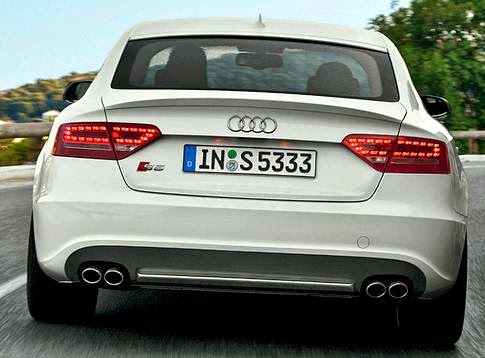 Price tag should be close to sixty thousands, 60.000$ with the foundation product. However there isnt any totally honest reports.
2015 Audi A6 Price and Design
2015 Audi A6 Price and Design

2015 Audi A6 Price and Design- An alternate half and half auto touching base from Audi, new 2015 Audi A6 Hybrid. This is fantastic car. The entire of Audis official lineup was revived in the no so distant past and cross breed A6 was presented in 2012. Notwithstanding, US market model was deferred for impossible reasons, in any event up to this point. Come 2015, this will be changed and Audi will at last offer a full cluster of crossovers in Worlds most aggressive half breed business (together with Japan, obviously).
2015 Audi A6 Design
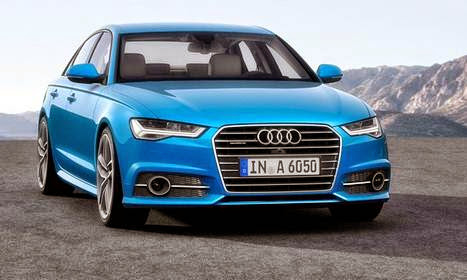
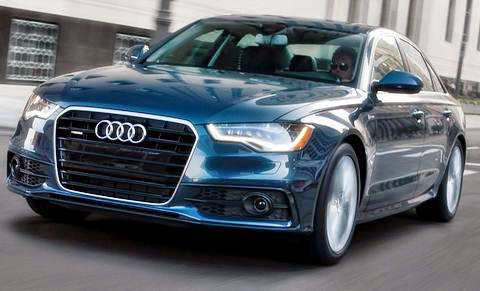
Outside, the 2015 Audi A6 looks much like a downsized rendition of Audis full-measure A8 vehicle, with a correspondingly expansive corporate grille flanked by thin headlights. The A6 characteristics a huge nursery, which helps outward perceivability, and additionally a more formal roofline than the mechanically indistinguishable however all the more arrestingly styled A7 hatchback. The A6 incorporates a paneled underfloor to administer wind stream underneath the vehicle, bringing about a low 0.26 Cd notwithstanding an upright front sash intended to meet European passerby security benchmarks. The most recent A6 is likewise around 100 pounds lighter than its ancestor, much appreciated to some degree to more broad utilization of aluminum segments.
According to Audi custom, the A6 characteristics a decently completed lodge complete with genuine metal trim and significant utilization of hurting delightful matte-complete wood trims in specific models. A wrap-around dashboard is canted at the driver, and the most recent era of Audis natural MMI framework (think idrive) is fitted as standard. A highlight from the rundown of tech alternatives is Audi Connect, which acquires auto web network and industry-first Google Earth coordination - complete with surrounding perspectives and high-determination 3d satellite and flying symbolism.
2015 Audi A6 Price and Design
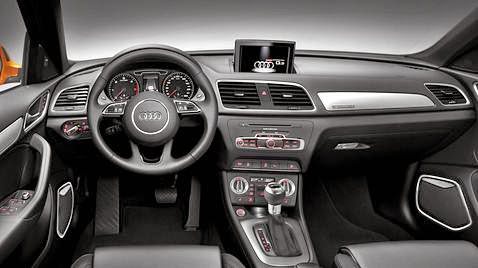
Inside a 2015 audi A6 is renovated solely with amazing materials as youll have the capacity to discover a ton of calfskin surfaces and much more wood grain stresses supplemented by chrome entryway handles. Everything else appears standard for a current Audi, as youll get decent oval dash with touch screen show that sticks out of its top when the auto is begun. Underneath it, there a few airvents and sound control framework. Gage group doesnt offer a rev-meter, much the same as numerous different cross breeds dont. Rather, youll get the crossover aid/charge dial which demonstrates to you how much power you utilize and what your proficiency is similar to. Security peculiarities are profoundly praiseworthy and close to a rearview cam, youll additionally get a top perspective cam, corner view cam, heads-up showcase, blind side screens, versatile voyage control with stop & go, night vision and bounty more standard and discretionary wellbeing gimmicks.
2015 Audi A6 Engine

2015 Audi A6 crossover uses turbocharged 2.0l 4-barrel motor with as much as 211 hp and 258 lb-ft of torque. Together with accessible electric engine, it conveys net half and half framework yield of 245 hp and 354 lb-ft of torque. Drive is smooth and simple, for the most part because of the 8-rate programmed transmission. With a little 1.3 kwh lithium-particle battery, A6 offers a concise all-electric extent, yet denies itself of all-wheel Quattro drive since battery pack is situated just over the back hub.
2015 Audi A6 Price
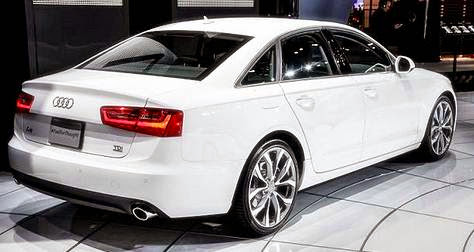
2015 Audi A6 half breed isnt that more productive than fundamental ordinary models, yet gives back 38 mpg evaluated in an European joined cycle. US numbers will be lower, nonetheless. A6 half and halfs cost will be near the one of top customary Prestige models. It will presumably begin from $55,000 and ought to surpass previously stated top customary evaluations by a robust edge.
Thursday, February 5, 2015
2015 Audi A3 Sportback e tron
The A3 Sportback e-tron from Audi is a latest-generation plug-in-hybrid car. The premium compact vehicle will go on sale from 2014 and is a genuine Audi. It combines sporty power with impressive efficiency and abundant driving enjoyment with unrestricted everyday utility. The A3 Sportback e-tron offers 150 kW (204 hp) of system power and achieves average consumption of only 1.5 liters per 100 kilometers (156.81 US mpg) of gasoline. In the electric mode its operating range is up to 50 kilometers (31.07 miles), with the TFSI engine adding a further 890 kilometers (553.02 miles).
From 0 to 100 km/h (62.14 mph) in 7.6 seconds and a top speed of 222 km/h (137.94 mph) – the Audi A3 Sportback e-tron adds an extra highlight to the sporty character of the compact premium car line. In accordance with the ECE standard for plug-in hybrid vehicles, its average CO2 emissions are a mere 35 grams per km (56.33 g/mile) – equivalent to consumption of 1.5 liters of fuel per 100 kilo-meters (156.81 US mpg).
Thanks to the ultra lightweight construction philosophy of Audi, the unladen five-door model complete with all electrical components weighs less than 1,580 kilo-grams (3,483.30 lb), with space for five occupants and plenty of cargo. It comes complete with all the brand’s strengths – elegant design, sporty chassis, top-notch ergonomics, excellent build quality and an extensive choice of high-end assistance and infotainment systems.
The 1.4 TFSI combustion engine is one of the most modern power units of Audi. Inside the engine compartment, looking in the direction of travel, it is positioned a few centimeters further to the right than usual, to create space for the high-voltage components. Its crankcase is made from diecast aluminum, weighing little more than 100 kilograms (220.46 lb).
The four-cylinder engine is state of the art in every respect – its low frictional losses, its turbocharger, its intercooler and its thermal management. One special feature is the way the exhaust manifold is integrated into the cylinder head. After a cold start, it brings the coolant swiftly up to operating temperature. At high loads the water jacket lowers the temperature of the exhaust gas.
Thanks to the high electric range of up to 50 kilometers (31.07 miles), many customers will only rarely experience the gasoline engine of the Audi A3 Sportback e-tron in action. Another effect of the plug-in hybrid concept is that the TFSI is often only activated in kickdown situations, and is therefore subjected to high loads while still cold. For that reason, the developers have equipped it with a variety of protective features. These include modified cylinder liners and piston rings, plus a sensor to measure oil quality.
Developing 110 kW (150 hp) and 250 Nm (184.39 lb-ft), the 1.4 TFSI is a powerful unit. It supplies peak torque across the entire speed range from 1,750 through 4,000 rpm, thus harmonizing excellently with the electric motor. The maximum of 330 Nm (243.40 lb-ft) is available virtually from the off, and is maintained constantly across a broad speed range up to about 2,200 rpm. Its maximum output is 75 kW. The system output of the A3 Sportback e-tron is 150 kW (204 hp), and system torque is 350 Nm (258.15 lb-ft). With the combination of electric motor and combustion engine, an overall operating range of up to 940 kilometers (584.09 miles) is possible. And its road performance is unwaveringly sporty: It takes a mere 4.9 seconds to sprint from 0 to 60 km/h (37.28 mph). The electric motor is a permanently excited synchronous machine. It weighs 34 kilograms (74.96 lb) and is liquid-cooled via a cooling jacket in the stator. The electric motor is located between the engine’s dual-mass flywheel and the newly developed separating clutch, the K0 clutch. When the TFSI starts, it is tow-started by the electric motor via the clutch. As soon as the former has achieved the same speed as the electric motor, the clutch is opened. This smooth, highly precise process takes place within half a second.
Together with the K0 separating clutch, the electric motor is integrated into a newly designed six-speed e-S tronic, which transfers the power to the front wheels. Like all Audi dual-clutch transmissions, it consists of two subsidiary transmissions that are served by the two multi-plate clutches K1 and K2. Gears are shifted by switching the clutches. This takes just a few hundredths of a second and happens without any noticeable interruption in propulsive power. Depending on the level of charge, the voltage ranges between 280 and 390 volts. The battery consists of 96 prismatic cells arranged into eight modules of twelve cells each. Including the electronic components – the battery management controller and the battery junction box – the battery system weighs 125 kilograms (275.58 lb). Its housing is bolted to the vehicle floor at five points, and the lower shell is made from aluminum.
An elaborate liquid cooling system ensures that the battery is kept within a suitable temperature range during operation. Drivers of the Audi A3 Sportback e-tron will be able to start electrically in hot summer conditions and at sub-zero winter temperatures alike. Four cooling plates regulate the temperature of the high-voltage battery’s eight modules. The cooling system represents a separate low-temperature circuit in the car and runs on a separate cooler housed in the engine compartment. If need be, it can be connected to the air conditioning system and even divided into two subsidiary circuits.
In the event of a crash sufficiently severe to trigger the belt tensioners or airbags, the entire system is disconnected from the power supply. The flat-shaped battery is installed under the rear bench seat – an area where the high-strength and ultra-high-strength steel components of the occupant cell form an especially strong structure. Its housing and interior structure are equally of a very sturdy design.
The 12-volt battery for the low-voltage consumers and the 40-liter (10.57 US gallons) fuel tank are located above the rear axle. Both components barely impinge on the trunk of the A3 Sportback e-tron – in the standard configuration it measures 280 liters (9.89 cubic ft) and 1,120 liters (39.55 cubic ft) with the rear seat backs down.
Audi supplies the A3 Sportback e-tron with a universal charging lead as standard. The customer can interchange the connecting plugs so that the lead can be used both with domestic power sockets and with industrial power sockets, for full charging performance. These connecting plugs are country-specific in design, so that the A3 Sportback e-tron can be recharged anywhere in the world.
For easy use at home, the charging lead can be clipped into a wall-mounted holder. Even this holder has an Audi design, and as well as being a convenient way to store and use the lead, it is lockable. The charging equipment is thus protected against theft even when kept outdoors.
The charging lead supplies the car with alternating current from the grid via the charging connection, which is in the Singleframe grille behind the fold-out four rings. As well as a status LED, the unit includes two pushbuttons allowing the user to choose between timer-controlled charging and immediate charging. In the car, the alternating current fed in by the charger is converted into direct current for the battery.
From an industrial power socket, it takes slightly more than two hours to charge the battery fully. From a normal domestic power socket in Europe, the charging process takes about three hours and 45 minutes. Audi is working intensively on a joint project with a supplier of renewable power, because electric driving only makes ecological sense if such power is available.
Another medium-term project of Audi is automatic charging without physical contacts, referred to as Audi wireless charging. Here the charging process involves an alternating magnetic field between the stationary charging pad on the ground and the mobile charging pad in the car, similar to the principle used by an electric toothbrush.
The power electronics, located in the engine compartment, then convert the stored direct current into three-phase current for the electric motor. It has six high-performance transistors for this task. The power electronics, which include a DC/DC converter for connecting up the vehicle’s 12-volt electrical system, are compact and light in weight. They have a total volume of 8 liters (0.28 cubic ft) and weigh 10 kilograms (22.05 lb). Together with the charger, it is incorporated into the same cooling circuit as the traction battery.
There are yet more special components for electric driving. The air conditioning compressor has an electric drive integrated into the high-voltage network. A thermoelectric heating element and a gasoline-powered auxiliary heater round off the interior heating system.
The hybrid management is configured to function in harmony with the electric motor. Up to medium loads the electric motor, now functioning as alternator, largely handles retardation. The energy that it recovers is fed into the traction battery. The wheel brakes only become active if the driver presses the pedal more forcefully.
Braking recuperation is just one of several operating statuses of the Audi A3 Sportback e-tron. The car is almost always started electrically, even at very low temperatures, in extremely hot conditions or when battery charge is very low. The electric motor’s high torque enables the sporty compact car to accelerate away powerfully. It goes from 0 to 60 km/h (37.28 mph) in 4.9 seconds – with quiet but forceful propulsion.
In the electric mode the Audi A3 Sportback e-tron can travel at up to 130 km/h (80.78 mph) – it could go faster, but that would not be efficient. When traveling at a constant 100 km/h (62.14 mph), generally only the electric motor is active provided there is sufficient energy in the battery. As soon as the driver steps hard on the accelerator, for instance to overtake, it prompts the TFSI to cut in via the K0 separating clutch. In the boost mode the Audi A3 Sportback e-tron accelerates with all of 350 Nm torque (258.15 lb-ft).
When the driver releases the accelerator at high speed, the hybrid management enters the gliding mode. Now both drives are entirely deactivated and are no longer developing braking torque. When stepping off the accelerator at medium and low speeds, the system recovers energy through coasting recuperation; braking recuperation then becomes active when the brake pedal is pressed, except if a full brake application is needed.
The driver has several ways of actively managing the vehicle’s response. They can choose from three programs using a button in the driving area and the e-S tronic selector lever. The EV characteristic map gives priority to electric drive, whereas the Audi A3 Sportback e-tron behaves very sportily in the S program. The hybrid hold mode can be selected via a menu in the MMI. This mode preserves the electrical energy stored in the battery for later use. In addition, the driver can specify detailed settings in the Audi drive select control system. Different stages of coasting recuperation are permanently assigned to the individual Audi drive select modes. Within certain ranges, this enables the driver to influence how the battery is charged while on the move.
The Audi A3 Sportback e-tron displays supply precise information about the driveline status. The powermeter in the instrument cluster shows the system’s overall output, as well as the status of the driveline and the battery charge. The monitor for the MMI navigation plus shows the energy flows in the hybrid system. In addition, the driver information system displays the operating ranges and consumption figures for electricity and gasoline.
Under the Audi connect umbrella Audi is currently developing an entire portfolio of innovative online services for the A3 Sportback e-tron. Drivers can use these to monitor and manage a wide range of functions via their iOS or android smartphone or via a web portal.
The driver can call up the car’s status – such as the battery’s momentary charge status, the electric range or its current parked location. They can program charging schemes remotely from their mobile phone or computer. They have the option of starting and stopping charging or setting the charging timer and climate control scheme to reflect when they next plan to drive the car. They can thus specify in detail at what time on what days they want to drive off with the battery fully charged.
The climate control planner, the third aspect, works similarly. The owner of an Audi A3 Sportback e-tron can for instance specify a target temperature for the interior according to a differentiated timetable. Adjusting the climate in advance while still hooked to the power socket is much more efficient than when driving electrically, because it does not then constitute a drain on the car battery and thus optimizes the electric range. In addition, it also adjusts the drive components to the appropriate temperature for the conditions. Finally, the web portal gives the owner the chance to check their trip data, e.g. power consumption, distance driven and speed.
Technical Data
| System output | 150 kW (204 hp) |
| System torque | 350 Nm (258.15 lb-ft) |
| Output, 1.4 TFSI | 110 kW (150 hp) |
| Torque, 1.4 TFSI | 250 Nm (184.39 lb-ft) from 1,750 to 4,000 rpm |
| Output, electric motor | Max. 75 kW |
| Torque, electric motor | Max. 330 Nm (243.40 lb-ft) |
| Battery capacity / voltage | 8.8 kWh / 280 to 390 volts |
| 0 – 100 km/h (62.14 mph): | 7.6 s |
| Range in electric mode | up to 50 km (31.07 miles) |
| Overall operating range in NEDC cycle | up to 940 km (584.09 miles) |
| Consumption acc. to ECE standard | 1.5 l/100 km (156.81 US mpg) |
| CO2 emissions acc. to ECE standard | 35 grams/km (56.33 g/mile) |
| Top speed | 222 km/h (137.94 mph) |
| Length / width / height | 4,310 / 1,785 / 1,424 mm (14.14 / 5.86 / 4.67 ft) |
| Wheelbase | 2,630 mm (8.63 ft) |
| Unladen weight | 1,574 kg (3,470.98 lb) |
(Audi Press Release)
Subscribe to:
Posts (Atom)